Rubber mulch for Oregon playgrounds and landscapes, delivered statewide.
Rubber mulch built for Oregon playgrounds and landscaping. It shrugs off the wet valleys west of the Cascades and drains freely instead of rotting. A 12-year color guarantee backs every pallet, and we deliver curbside across the 48 contiguous states.
One pallet covers about 300 sq ft at 3″ deep.
Every order is final — so we help you get it exactly right before it ships:
IPEMA-certified to ASTM F1292 — the industry playground fall-height standard · supplied to schools, daycares, parks, and homes since 2004.
A tree planted for every pallet ordered →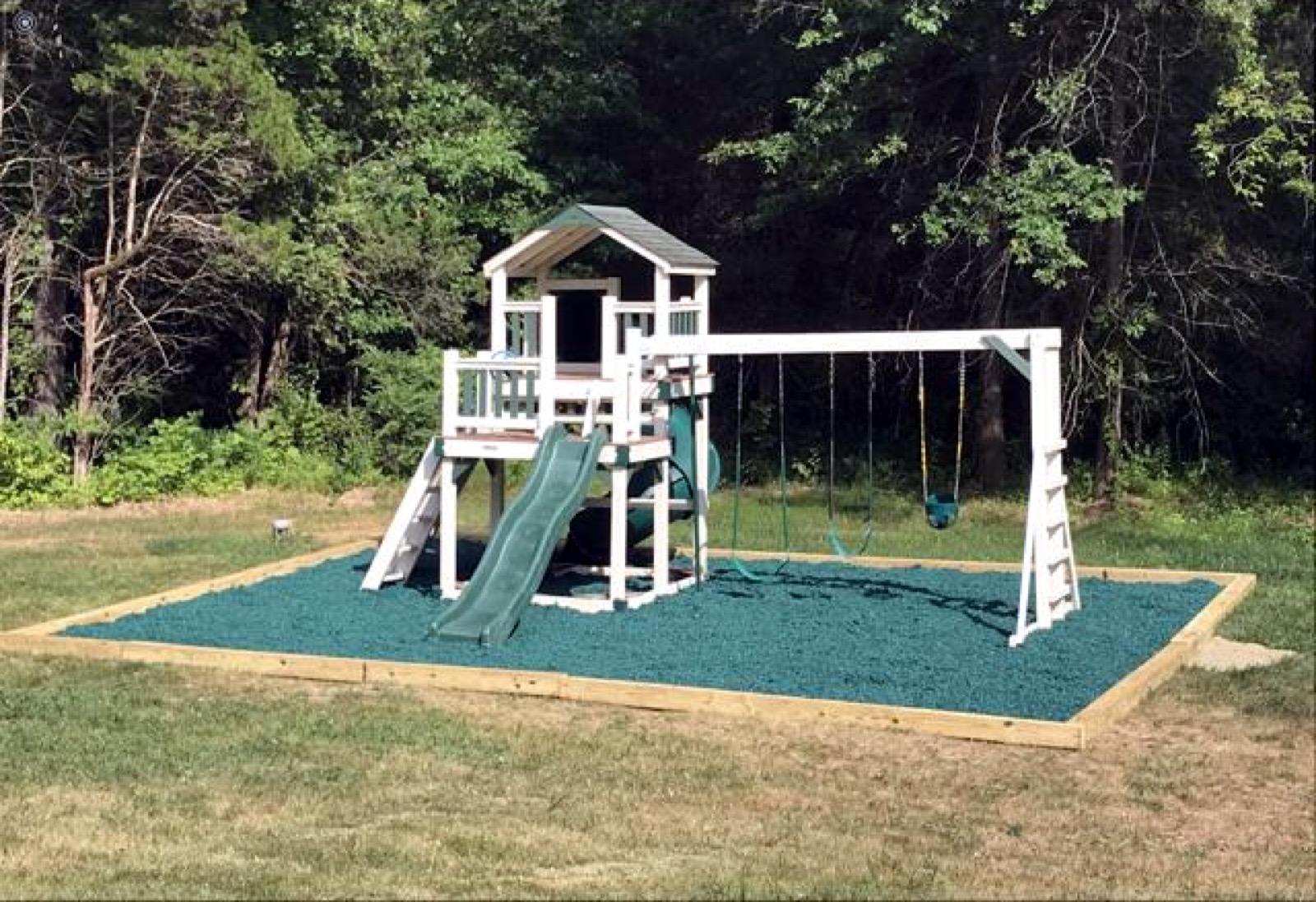
 IPEMA Certified to ASTM F1292 — see the certification
 The Perfect Playground Safety Handbook — 2026 edition
12-Year Color Guarantee
Supplying rubber mulch since 2004
Delivered to every Oregon address
Rubber mulch in Oregon, in short
Perfect Rubber Mulch delivers IPEMA-certified, ASTM F1292 rubber mulch across Oregon for playgrounds and garden beds. We ship it by the pallet — 75 cubic feet each — to your curb, freight included.
- Built for Oregon's climate: rubber is inorganic, so it doesn’t rot like wood, mold, or grow fungus. Rain falls often from October through May in the valleys west of the Cascades — rubber shrugs it off.
- Play-ready: our play nuggets carry IPEMA certification to the ASTM F1292 impact standard, so they cushion falls under swings and slides. The same mulch frames a clean, low-maintenance border around native plantings.
- Buy right here: order up to nine pallets online, or ask us for a delivered quote on six or more. Every color carries a 12-year guarantee. All sales are final, so we help you measure before you order.
Reviewed and sources last verified July 2026.
A safer landing for Oregon play areas.
For play areas, our unpainted rubber nuggets earn IPEMA certification to the ASTM F1292 impact standard. That test measures how well a surface softens a fall — the cushioning that matters wherever kids climb and swing.
Oregon's licensed child care centers must protect play equipment with a proper safety surface. Under OAR 414-300-0150, equipment "shall be surrounded by a resilient surface of an acceptable depth or by rubber mats manufactured for such use," meeting U.S. Consumer Product Safety Commission standards.
A loose-fill surface like rubber mulch meets that requirement well. It drains instead of packing down, so it stays springy through Oregon's long rainy stretch.
Run a certified center? Confirm the exact depth with your licensing consultant before you order, and we will calculate the right quantity for your fall heights. For playgrounds, blue and green are popular picks, and both hold their color under the 12-year guarantee.
How deep does the mulch need to be?
Home & backyardUpdated July 2026
| Where it’s going | Depth | Notes |
|---|---|---|
| Home & backyard playsets | 3″ | Right for most home swing sets and play structures. Home playgrounds aren’t government-regulated — this is the standard recommendation. |
| Taller home playsets | 4″ | A little extra cushion for a taller backyard structure. |
| Landscaping & garden beds | 2″ | Blocks weeds and holds soil moisture — a landscaping depth, not a safety depth. |
Home guidance follows the CPSC’s voluntary Home Playground Safety Handbook (Pub. 324). Backyard playgrounds carry no federal depth requirement.
Schools, parks, daycares & commercial — by equipment fall heightUpdated July 2026
| Equipment fall height | Rubber mulch depth | Certified rating |
|---|---|---|
| Up to 10 ft | 4″ | Certified critical fall height: 10 ft |
| Up to 12 ft | 5″ | Certified critical fall height: 12 ft |
| Up to 16 ftCovers the tallest commercial play towers. | 6″ | Certified critical fall height: 16 ft |
These certified thickness-to-fall-height ratios cover the IPEMA-certified recycled-rubber nugget mulch we ship, tested to ASTM F1292-22 and F3012-22. Public playgrounds follow the U.S. CPSC Public Playground Safety Handbook (Pub. 325). Loose fill settles when rolled, so spread about an inch over the target depth; we last reviewed these figures in July 2026.
Made to last through a full Oregon year.
Oregon's weather splits into two climates at the Cascade Range. West of the mountains it stays mild and very wet, with frequent rain from October to May (NOAA NCEI State Climate Summary — Oregon). The Coast Range tops 100 inches of rain a year, while eastern deserts get under 10.
That constant moisture is exactly what wood and bark mulch cannot survive in the western valleys. Chronically wet wood breaks down fast and grows fungi.
One of them, artillery fungus (Sphaerobolus), shoots sticky black spore masses onto siding, cars, and play structures. Penn State Extension ties that problem directly to decomposing landscape wood and bark mulch.
Rubber mulch is inorganic, so it holds no water for fungi or mold to feed on. It does not rot like wood or compost down, and it drains freely instead of staying soggy. Wet bark needs a yearly top-up in Oregon's rainy valleys; rubber does not, and our 12-year guarantee backs its color.
One honest note: in a heavy downpour or high wind, any loose mulch can shift. Edging and correct depth help it stay put.
“The Pacific Ocean also provides abundant moisture, causing frequent precipitation west of the Cascade Mountains from October to May.”
— NOAA NCEI State Climate Summary — OregonA clean frame for Oregon’s native garden.
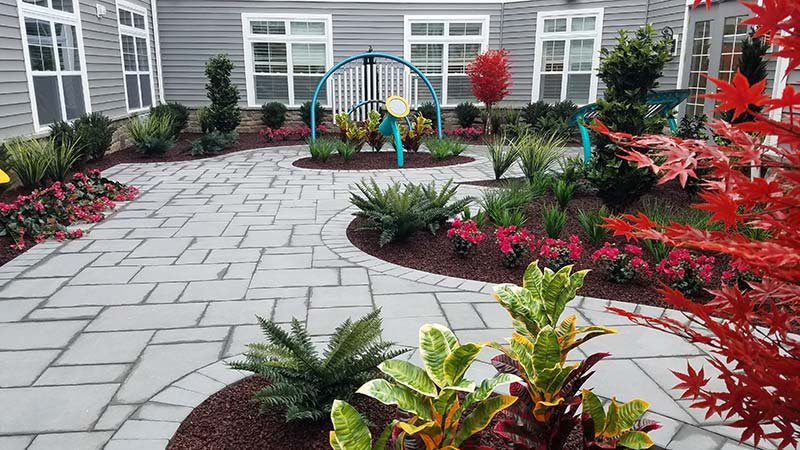
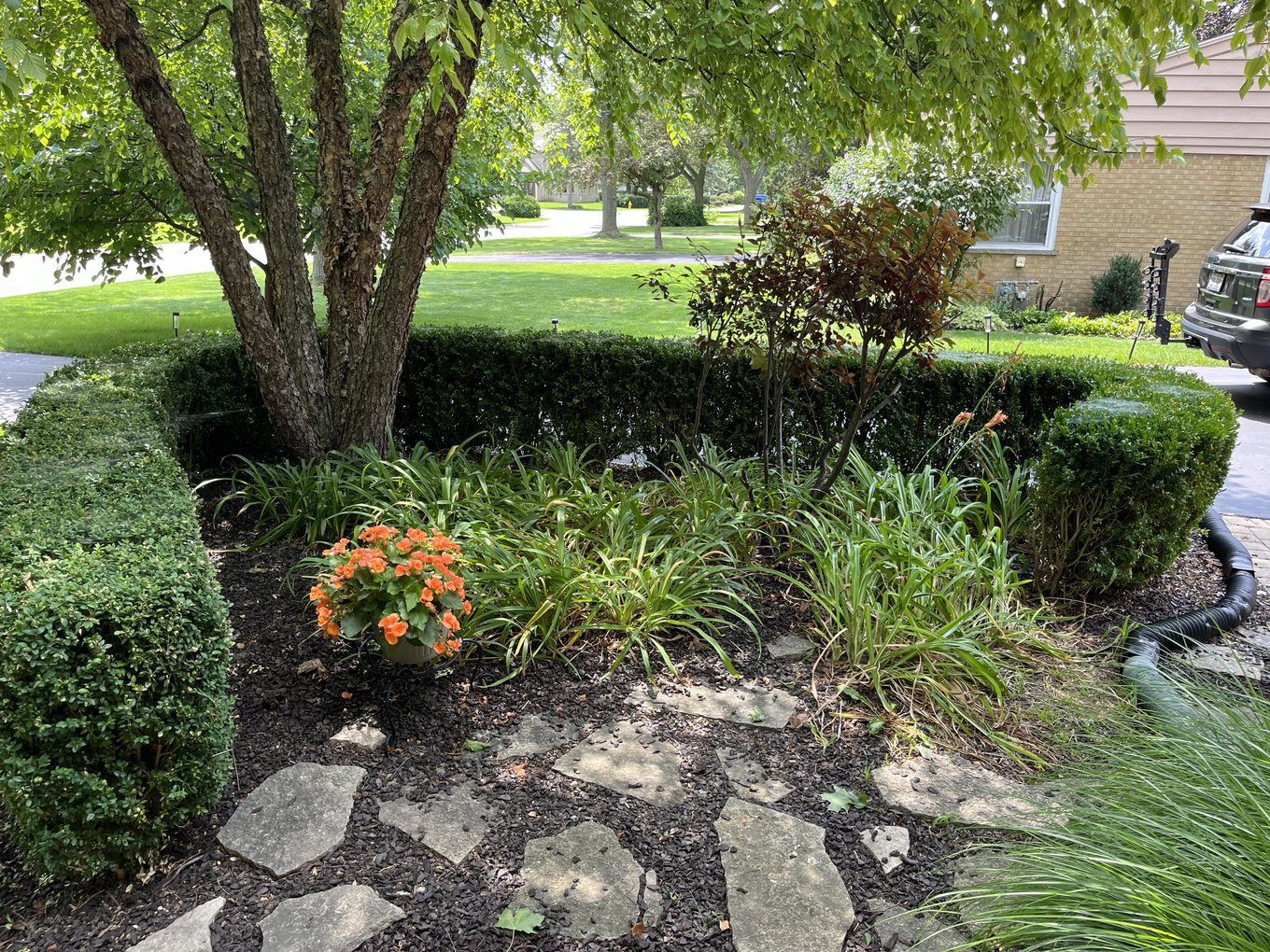
Rubber mulch makes a crisp, low-maintenance border around Oregon native plantings. Because it does not break down like wood, it holds that clean edge for years instead of fading into the soil. Oregon State University Extension recommends natives that beautify gardens and support pollinators.
Its picks include Oregon grape (Mahonia aquifolium), vine maple (Acer circinatum), Oregon sunshine (Eriophyllum lanatum), and Pacific bleeding heart (Dicentra formosa). Ring these plants with rubber mulch for a tidy, weed-suppressing surface that will not compost down around their roots. See the Oregon State University Extension Service native plant collection for regional guidance.
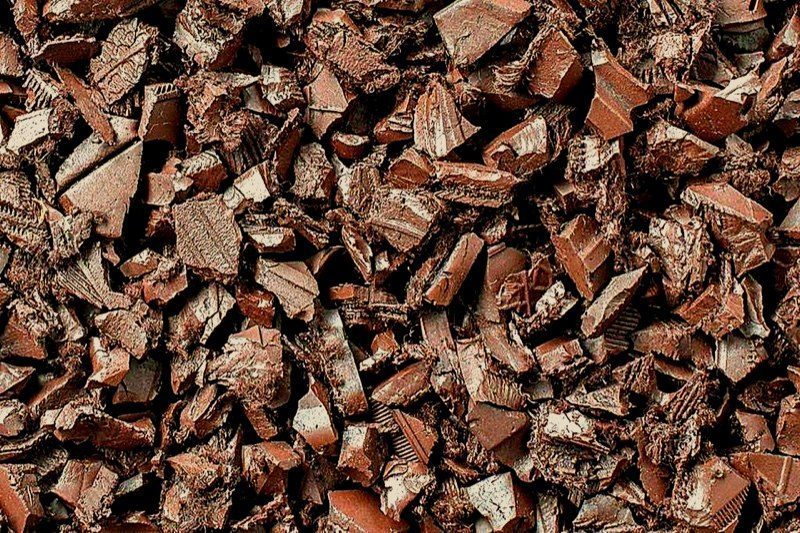
Six shades for Oregon play areas, yards, and gardens.
Every Oregon setting has a shade that fits — play areas, front-yard beds, and native borders. Each color reads true and holds that color season after season, all under our 12-year guarantee.
 Select this color →
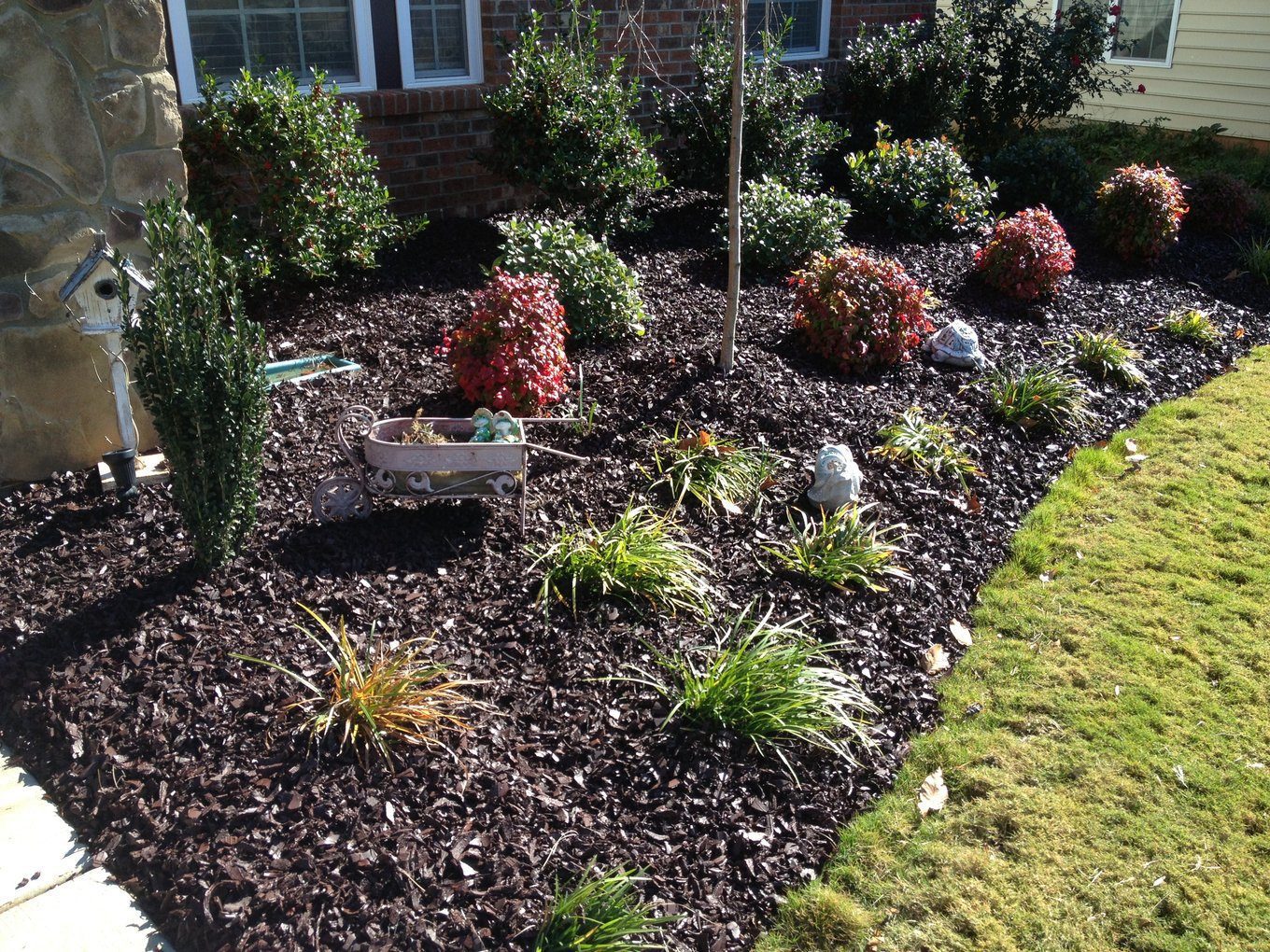
Brown $709/pallet
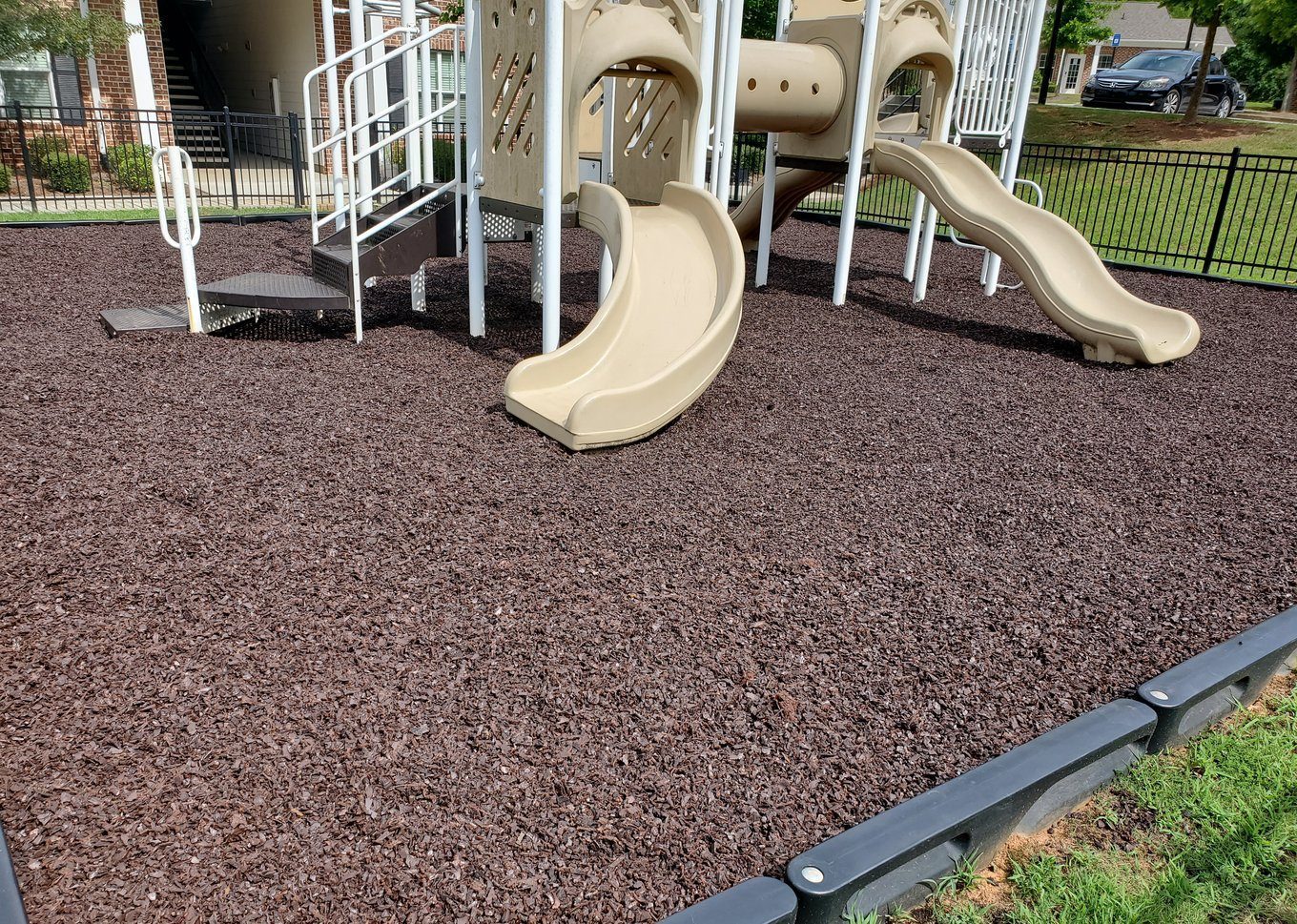
A deep brown that looks like a fresh load of wood chips. It holds that color under a 12-year guarantee, while wood grays and washes away. It sits easily beside brick, fencing, and green lawns, and works just as well under a backyard playset.
About brown rubber mulch →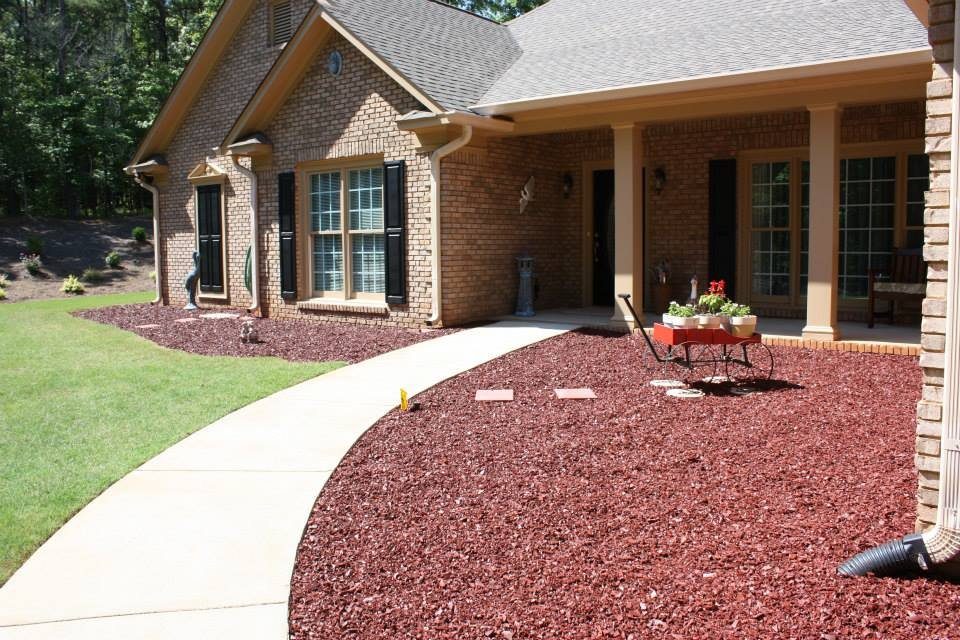
 Select this color →
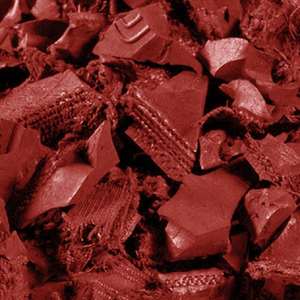
Red $709/pallet
A warm, deep redwood tone — the color kids head straight for on a playground, with a soft landing underfoot. In a landscape bed it stands out against gray stone, brick, and greenery, and it pairs handsomely with green play sets.
About red rubber mulch →
 Select this color →
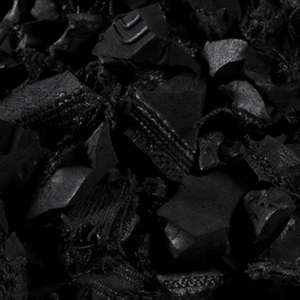
Black $709/pallet
A rich, dramatic black that makes garden greens and bright blooms pop with deep contrast. It reads clean and modern around a porch, a walkway, or a playset, and holds that depth season after season.
About black rubber mulch →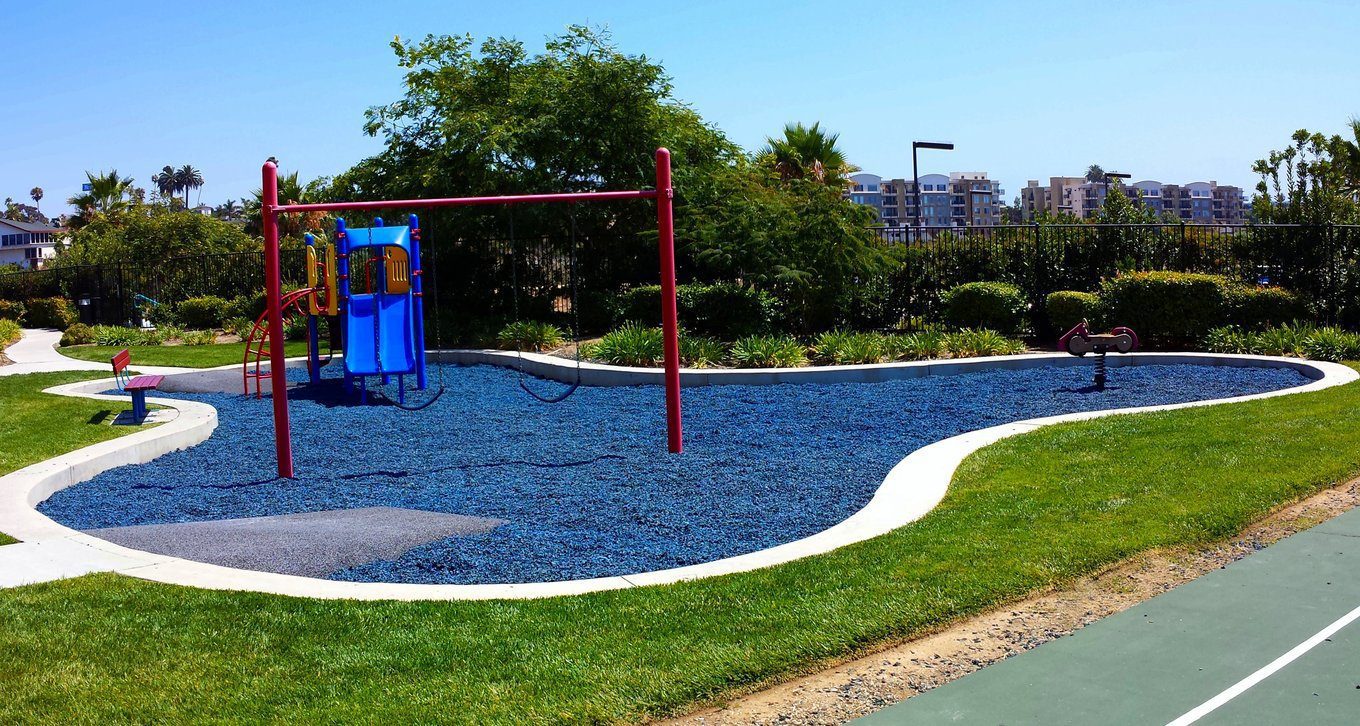
 Select this color →
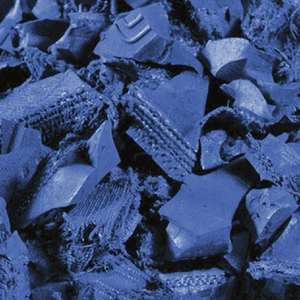
Blue $759/pallet
A cool, eye-catching blue that turns a play area into part of the fun. It also brings a creative spark to flower beds, walkways, and water features. Our 12-year guarantee backs the color.
About blue rubber mulch →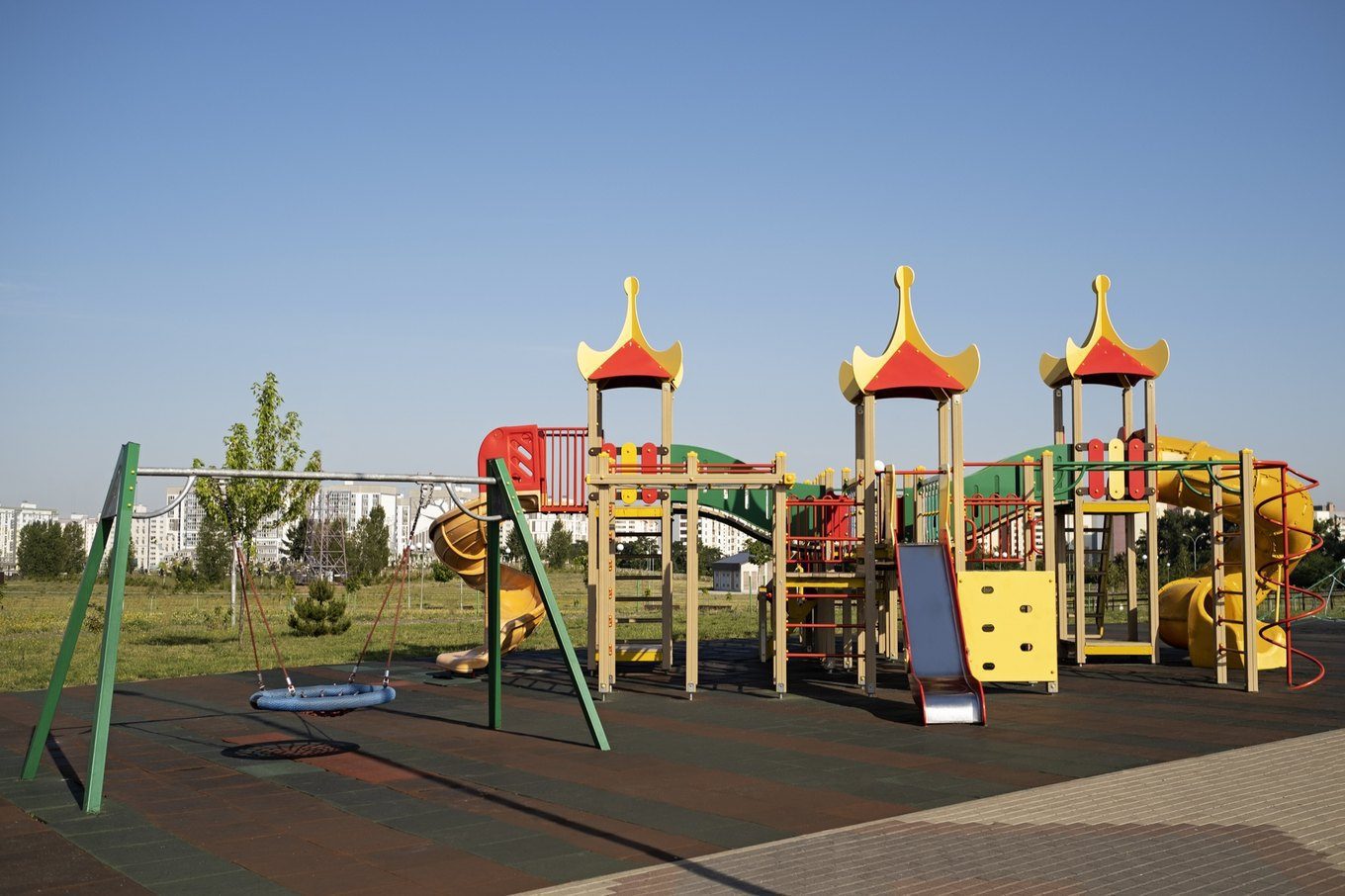
 Select this color →
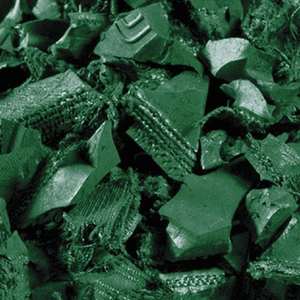
Green $709/pallet
Green keeps a play area feeling natural, blending into its surroundings. It's also a landscaper's trick for deep shade under trees, where grass won't grow — no water or sun needed.
About green rubber mulch →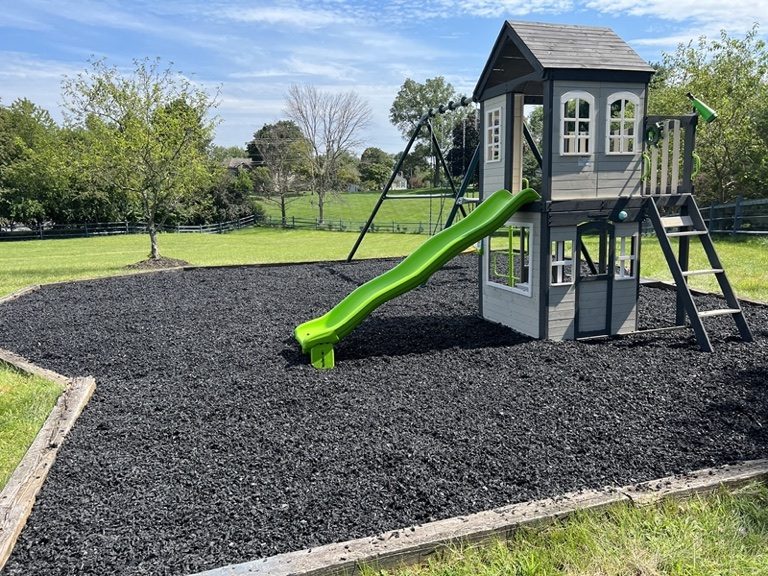
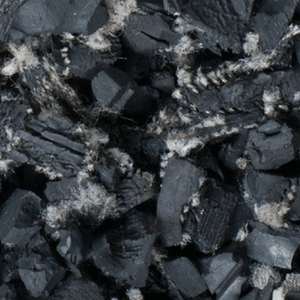 Select this color →
Unpainted $579/pallet
Unpainted natural mulch brings a genuine, organic texture that looks at home in any setting. It’s our most budget-friendly option — and a durable play surface.
About unpainted rubber mulch →
Fast freight to every corner of Oregon.
We deliver to Oregon by the pallet on the state's freight network. Trucks run down Interstate 5 through the Willamette Valley — Portland, Salem, Eugene, and on to Medford. They head east on Interstate 84 through the Columbia River Gorge.
From there they reach central Oregon on U.S. Route 97 and the coast on U.S. Route 101. We regularly serve Portland, Salem, Eugene, Gresham, Hillsboro, Beaverton, Bend, Medford, Springfield, Corvallis, and every address in between. Each pallet holds 75 cubic feet and arrives at your curb, freight included — typically within 5–10 business days.
Not sure how much you need? Our mulch calculator sizes the job in minutes.
Buy up to nine pallets online, or ask us for a delivered quote on six or more. Please measure carefully before you order — all sales are final.
Good questions, clear answers.
How much does rubber mulch cost delivered in Oregon?
A single pallet delivered in Oregon runs for unpainted mulch up to $759 for the colors, freight included. Each pallet holds 75 cubic feet — enough for a good-sized play area or landscape bed. Buy up to 9 pallets online at your exact Oregon price, or ask us for a freight quote on 6 or more.
Does rubber mulch hold up in Oregon's wet climate?
Yes — that is where it shines. Western Oregon sees frequent rain from October to May, and the Coast Range tops 100 inches a year (NOAA NCEI). Rubber is inorganic, so it does not rot, mold, or feed fungi the way chronically wet wood and bark do (Penn State Extension).
It drains freely, and our 12-year guarantee backs its color. In heavy rain or wind, any loose mulch can shift, so edging and proper depth help.
Is rubber mulch allowed under playground equipment at Oregon child care centers?
Oregon requires a safety surface under play equipment. Under OAR 414-300-0150, equipment must sit on "a resilient surface of an acceptable depth or by rubber mats manufactured for such use," meeting U.S. Consumer Product Safety Commission standards.
Our play nuggets carry IPEMA certification to ASTM F1292 for impact. Confirm the required depth for your fall heights with your licensing consultant.
What makes rubber mulch better than wood or bark mulch in Oregon?
Constant moisture west of the Cascades is exactly what wood and bark cannot survive. Wet wood breaks down fast and grows fungi. That includes artillery fungus, which flings sticky black spores onto siding, cars, and play structures (Penn State Extension).
Rubber is inorganic, so it holds no water for fungi to feed on. It does not compost down, and it does not need the yearly replacement wet bark demands.
Does rubber mulch work with Oregon native plants?
Yes. It makes a clean, weed-suppressing border that will not break down around plant roots.
Oregon State University Extension recommends natives like Oregon grape (Mahonia aquifolium), vine maple (Acer circinatum), Oregon sunshine (Eriophyllum lanatum), and Pacific bleeding heart (Dicentra formosa). See the OSU Extension native plant collection for regional guidance.
Do you deliver rubber mulch across Oregon?
Yes. We ship by the pallet on Oregon's freight corridors. Trucks run I-5 through Portland, Salem, Eugene, and Medford, and I-84 up the Columbia River Gorge.
They also take U.S. 97 into central Oregon and U.S. 101 along the coast. We deliver to the 48 contiguous states, with freight included and curbside drop-off, typically within 5–10 business days. All sales are final, so measure carefully before ordering.
Spread it once, enjoy it for years.