Rubber mulch for Colorado playgrounds and landscapes, delivered statewide.
Recycled rubber mulch for Colorado playgrounds and landscaping — built to hold its color and depth through high-altitude sun, dry heat, and Front Range wind. Delivered by the pallet across the state, backed by a 12-year color guarantee.
One pallet covers about 300 sq ft at 3″ deep.
Every order is final — so we help you get it exactly right before it ships:
IPEMA-certified to ASTM F1292 — the industry playground fall-height standard · supplied to schools, daycares, parks, and homes since 2004.
A tree planted for every pallet ordered →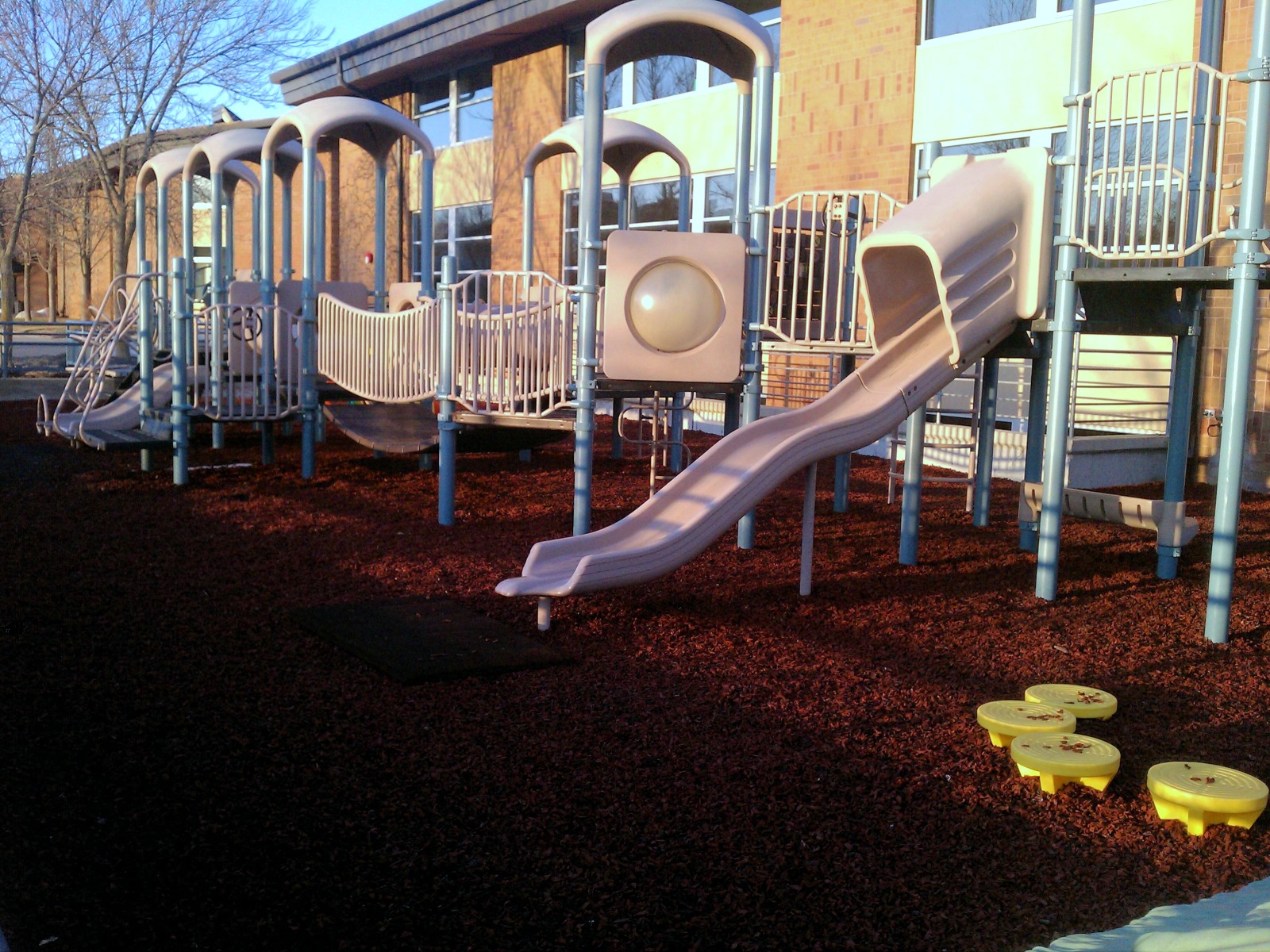
 IPEMA Certified to ASTM F1292 — see the certification
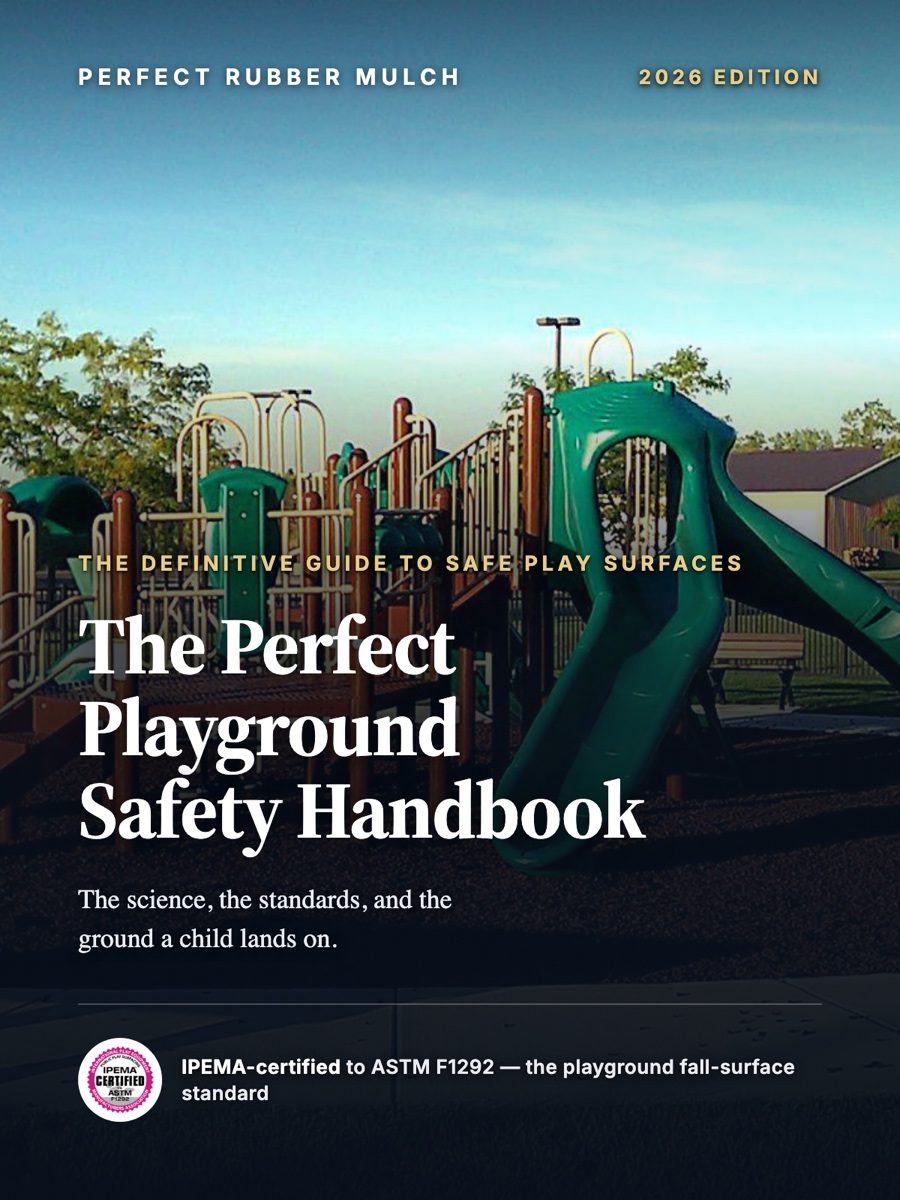 The Perfect Playground Safety Handbook — 2026 edition
12-Year Color Guarantee
Supplying rubber mulch since 2004
Delivered to every Colorado address
Rubber mulch in Colorado, in short
Perfect Rubber Mulch ships recycled rubber mulch to Colorado for playgrounds and landscaping. It arrives by the pallet — 75 cubic feet, roughly enough to cover 150 square feet at a 6-inch play depth. The truck sets it curbside, and freight is already in the price.
- Built for Colorado's climate: rubber outlasts wood and bark here. Wood fades, scatters, and rots in the semi-arid, high-elevation air; rubber does none of it.
- Play-ready: the play nuggets carry IPEMA certification to ASTM F1292, the national safety standard for playground surfacing.
- Buy right here: order up to nine pallets online. For six or more, ask us for a freight quote. Every order carries a 12-year color guarantee, and all sales are final.
Reviewed and sources last verified July 2026.
A safer landing for Colorado play areas.
Our rubber play nuggets carry IPEMA certification to ASTM F1292. That is the national impact-attenuation standard for playground surfacing. The nuggets give you a cushioning surface under the swings, slides, and climbers, so falls land softer.
Colorado's licensing rules point the same way. Under 8 CCR 1402-1-2.524(A)(4), any outdoor climbing equipment over eighteen inches needs at least six inches of resilient surface across the use zone. The state's list of approved loose-fill surfacing names shredded rubber right alongside wood chips, engineered wood fiber, and pea gravel.
A pallet holds 75 cubic feet. That lets you lay the full six-inch depth over about 150 square feet and keep it there. Rubber does not compress and rot away the way wood fiber does, so the surface stays at depth season after season.
Regulators enforce playground surfacing site by site. Confirm the exact depth and use-zone details for your facility with your licensing consultant before you order.
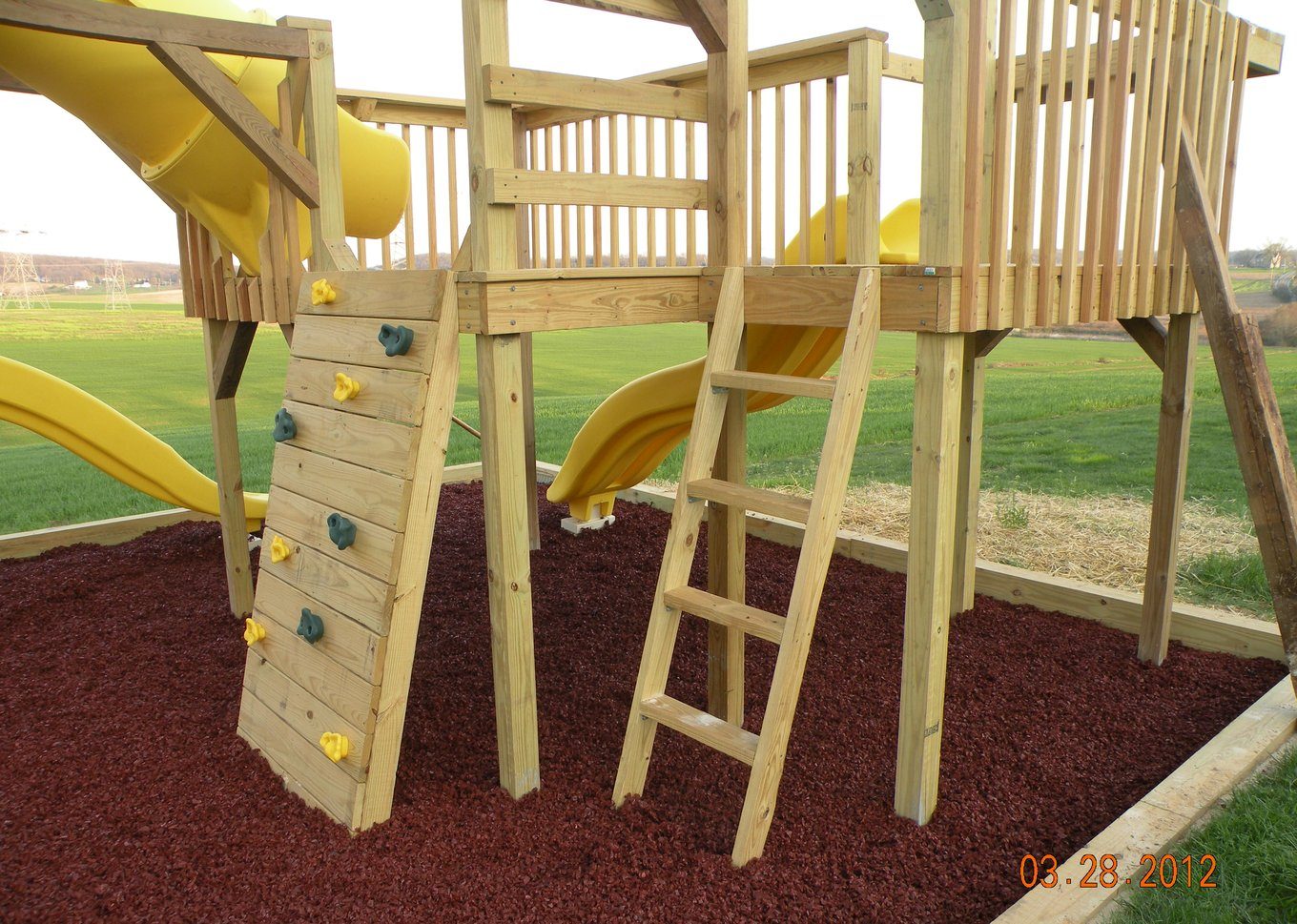
How deep does the mulch need to be?
Home & backyardUpdated July 2026
| Where it’s going | Depth | Notes |
|---|---|---|
| Home & backyard playsets | 3″ | Right for most home swing sets and play structures. Home playgrounds aren’t government-regulated — this is the standard recommendation. |
| Taller home playsets | 4″ | A little extra cushion for a taller backyard structure. |
| Landscaping & garden beds | 2″ | Blocks weeds and holds soil moisture — a landscaping depth, not a safety depth. |
Home guidance follows the CPSC’s voluntary Home Playground Safety Handbook (Pub. 324). Backyard playgrounds carry no federal depth requirement.
Schools, parks, daycares & commercial — by equipment fall heightUpdated July 2026
| Equipment fall height | Rubber mulch depth | Certified rating |
|---|---|---|
| Up to 10 ft | 4″ | Certified critical fall height: 10 ft |
| Up to 12 ft | 5″ | Certified critical fall height: 12 ft |
| Up to 16 ftCovers the tallest commercial play towers. | 6″ | Certified critical fall height: 16 ft |
Certified thickness-to-fall-height ratios for the IPEMA-certified recycled-rubber nugget mulch we ship, tested to ASTM F1292-22 and F3012-22. Public playgrounds follow the U.S. CPSC Public Playground Safety Handbook (Pub. 325). Loose fill settles when rolled, so spread about an inch over the target depth. Figures reviewed July 2026.
Made to last through a full Colorado year.
Colorado is hard on loose ground cover. Its climate runs semi-arid and high in elevation. Temperatures "vary widely from day to night and over short distances," the NOAA NCEI Colorado State Climate Summary reports.
Wood and bark mulch struggle in that air. Thin mountain air lets more UV through, so wood fades and dries out fast. Chronic wind lifts and scatters the light chips.
Wood also decomposes, so you must replace it every year or two. Colorado State University Extension notes plainly that organic mulches "decompose over time" and need periodic replacement (CSU Extension Fact Sheet 7.214). Damp wood piled against a foundation can also draw termites.
Rubber sidesteps all of it. It does not photodegrade, rot, or blow away in Colorado wind, and it gives termites nothing to eat. It holds its color and its six-inch depth without annual top-ups, which is why it carries our 12-year color guarantee.
One honest note: no loose surface is weightless. An extreme downpour or gust can still shift any mulch, so an edged bed keeps it in place.
“Department-approved resilient surfacing includes loose fill materials such as wood chips, wood mulch, engineered wood fiber, pea gravel, synthetic pea gravel, shredded rubber tires, and sand.”
— Colorado Rules for Child Care Centers, 8 CCR 1402-1-2.524(A)(4)A clean frame for Colorado’s native garden.
Rubber mulch makes a clean, low-maintenance frame for a Colorado xeriscape. Because it doesn't rot like wood, it holds a crisp border around drought-tolerant natives. It does that without robbing the soil or needing a yearly refresh.
Colorado State University Extension recommends water-wise natives for the state. Its picks include Apache plume (Fallugia paradoxa), Gambel oak (Quercus gambelii), Piñon pine (Pinus edulis), and Rocky Mountain penstemon (Penstemon strictus).
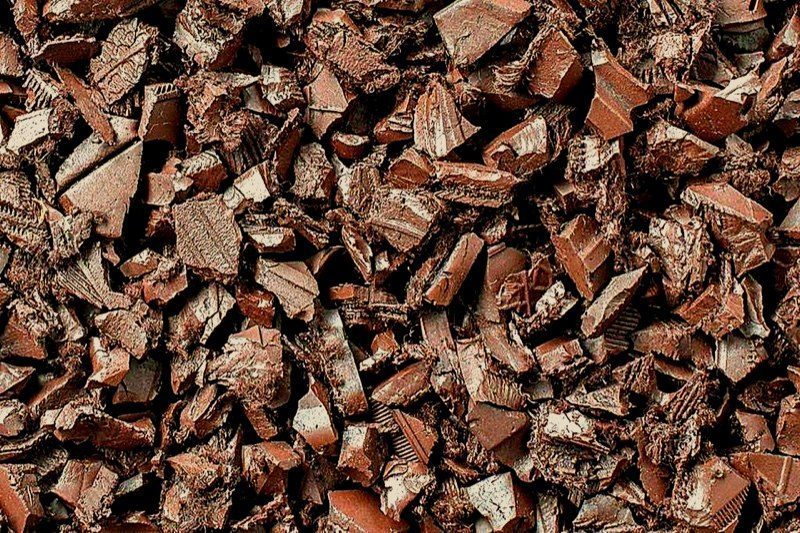
Pair any of them with unpainted rubber for a natural look. Or use brown, red, black, blue, or green to set the planting off. The color stays true year after year.
See CSU Extension's Native Plants guidance and Xeriscaping Fact Sheet 7.229 for more.

Six shades for Colorado play areas and gardens.
Every Colorado setting has a shade that fits — play areas, front-yard beds, and native borders alike. Each color reads true and holds that color for years, under our 12-year guarantee.
 Select this color →
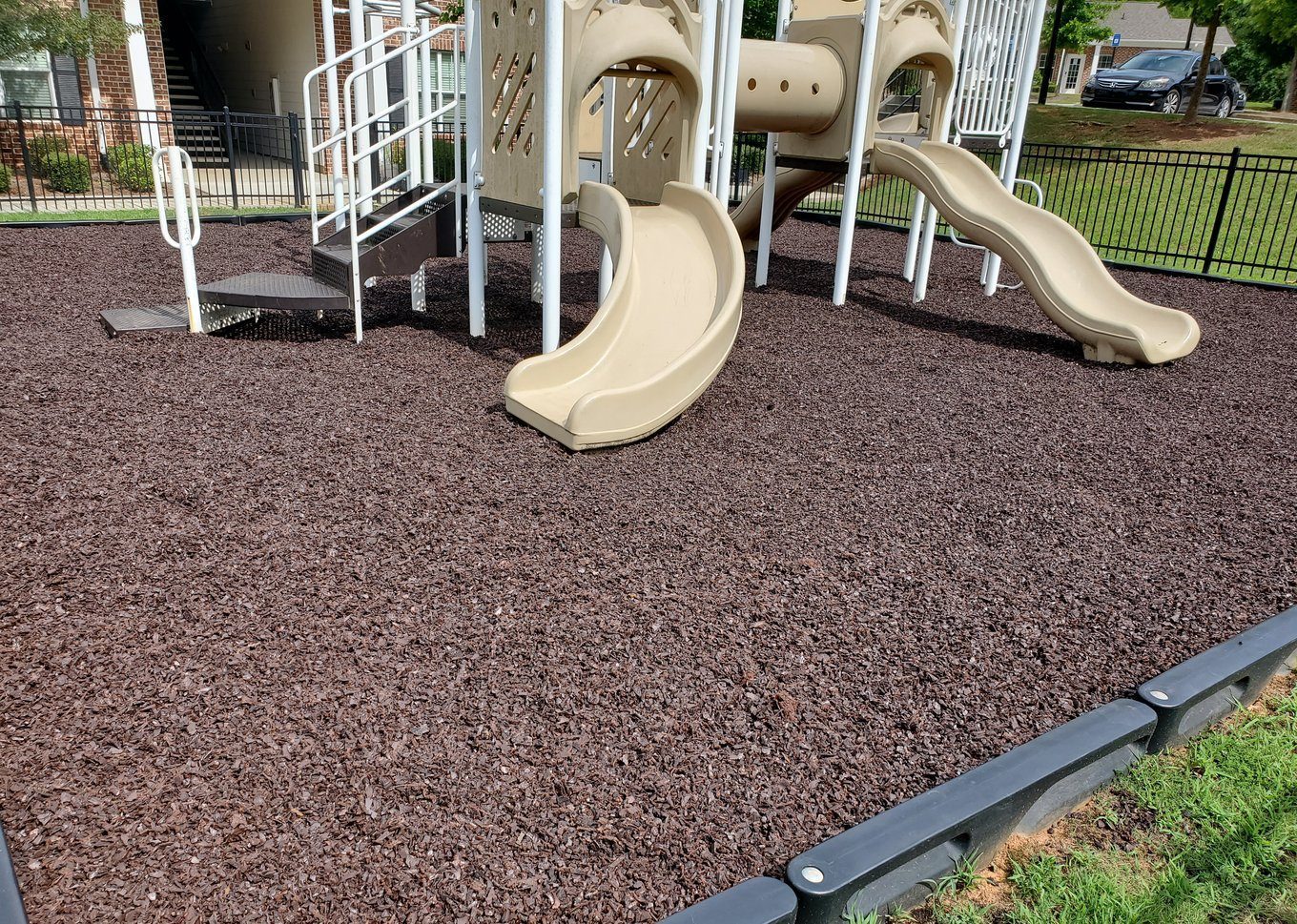
Brown $709/pallet
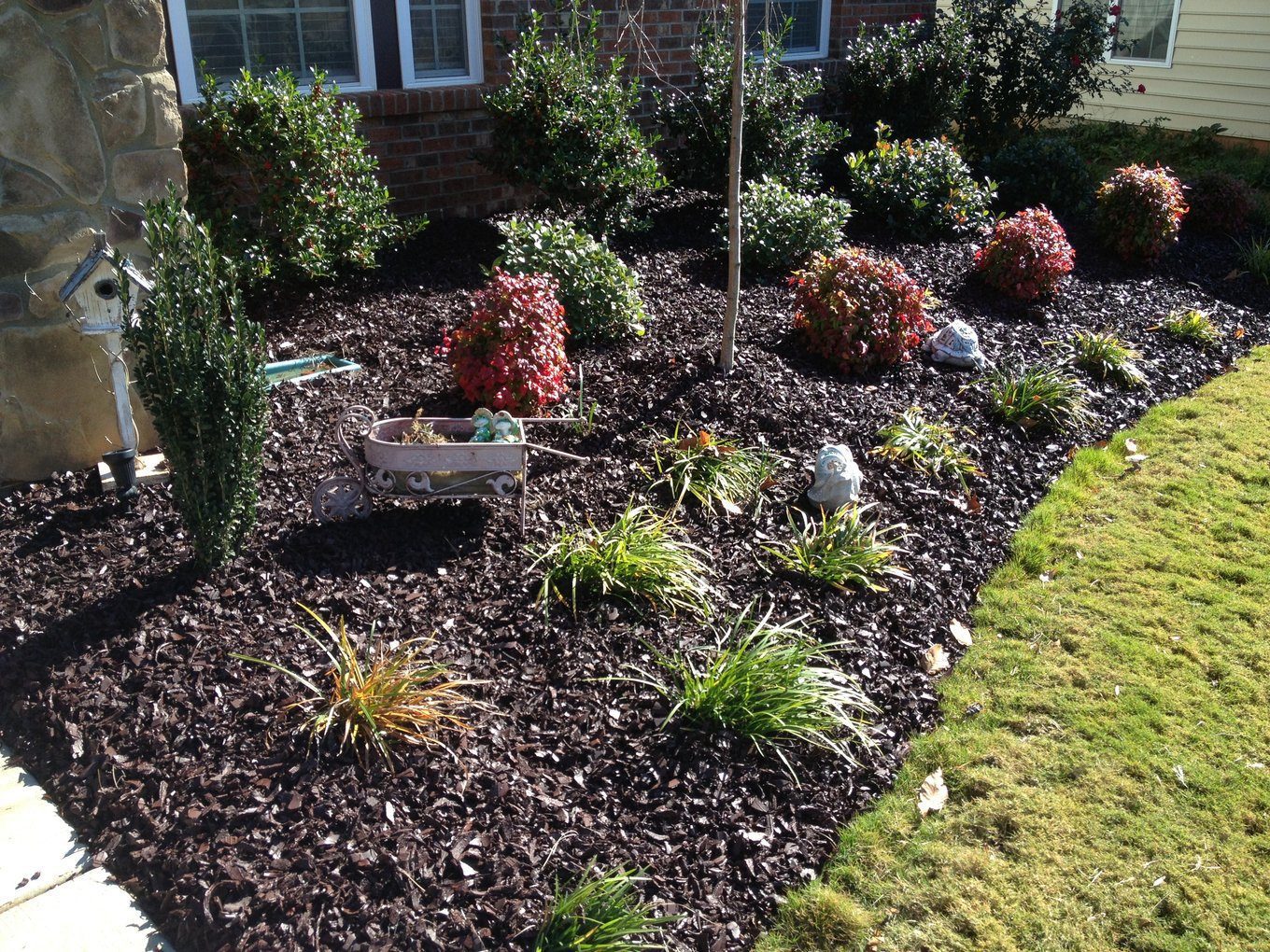
A deep brown that looks like a fresh load of wood chips. It holds that color under a 12-year guarantee, while wood grays and washes away. It sits easily beside brick, fencing, and green lawns, and works just as well under a backyard playset.
About brown rubber mulch →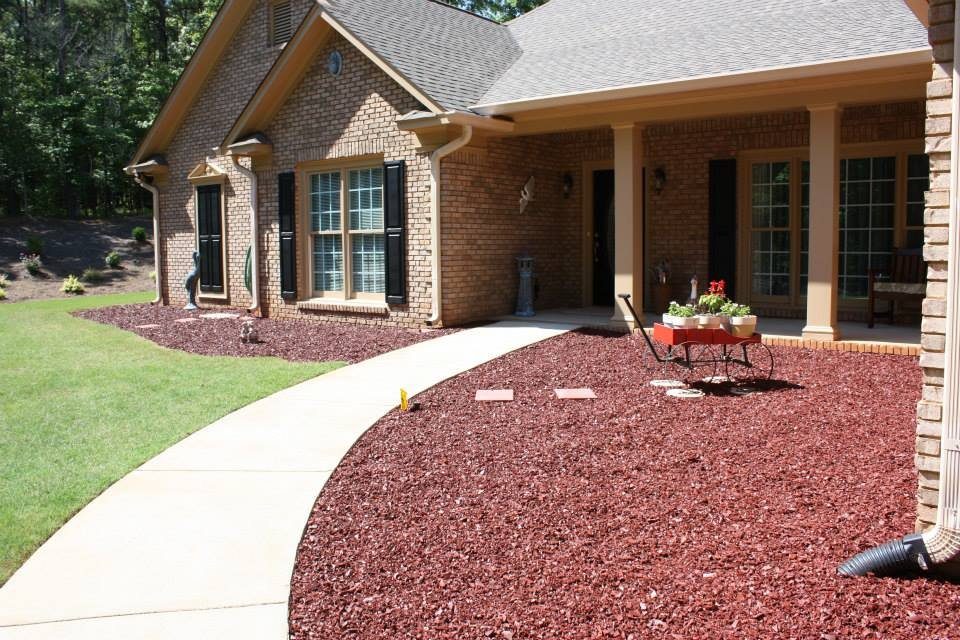
 Select this color →
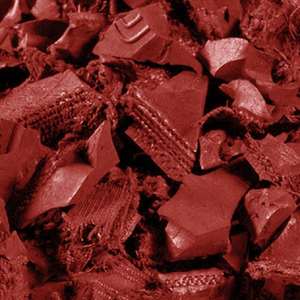
Red $709/pallet
A warm, deep redwood tone — the color kids head straight for on a playground, with a soft landing underfoot. In a landscape bed it stands out against gray stone, brick, and greenery, and it pairs well with green play sets.
About red rubber mulch →
 Select this color →
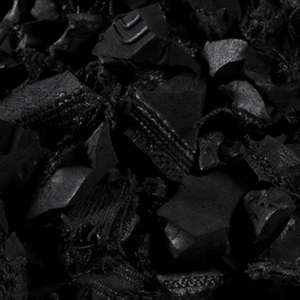
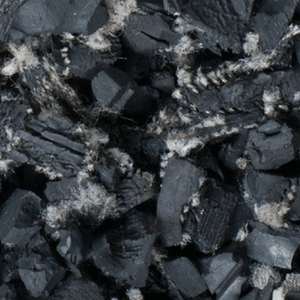
Black $709/pallet
A deep, true black that makes garden greens and bright blooms pop. It reads clean and modern around a porch, a walkway, or a playset, and holds that depth season after season.
About black rubber mulch →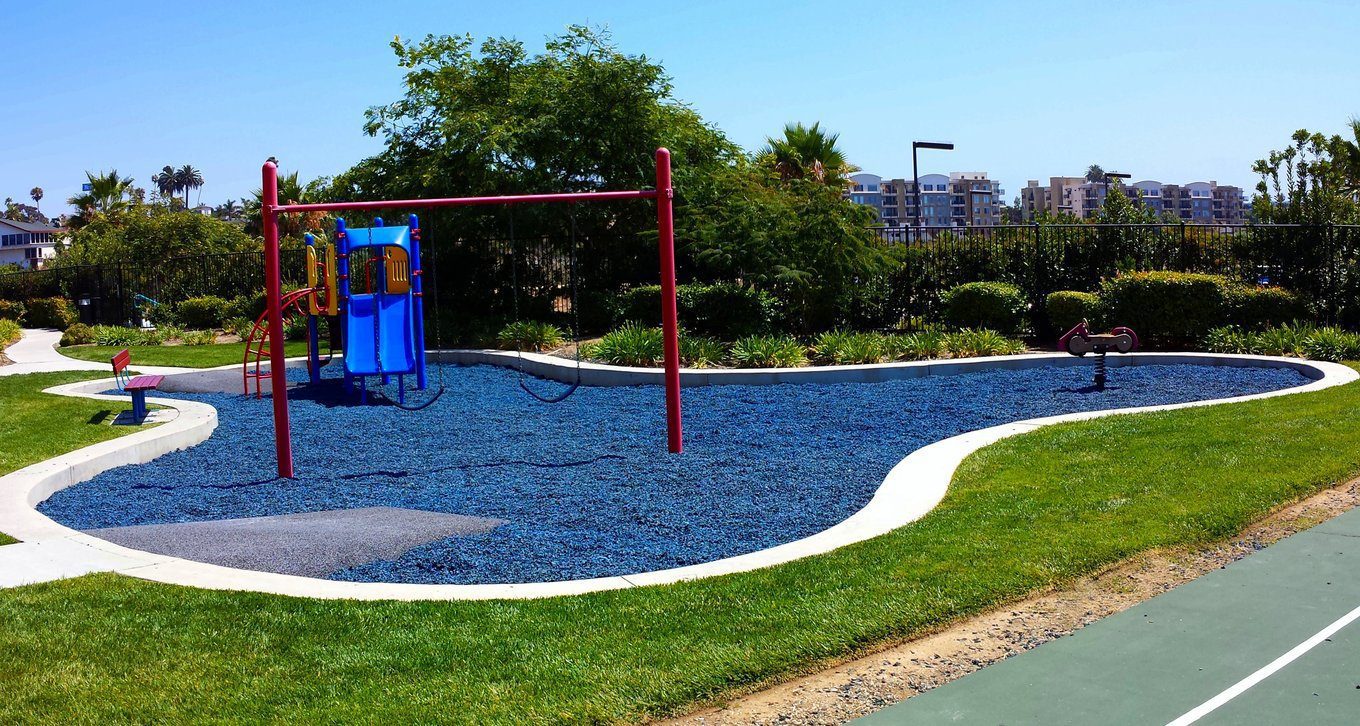
 Select this color →
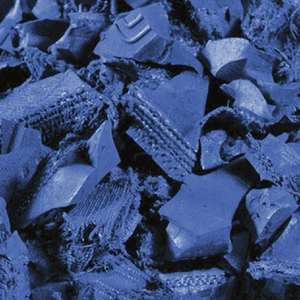
Blue $739/pallet
A cool, eye-catching blue that turns a play area into part of the fun. It also sets off flower beds, walkways, and water features. Our 12-year guarantee covers the color.
About blue rubber mulch →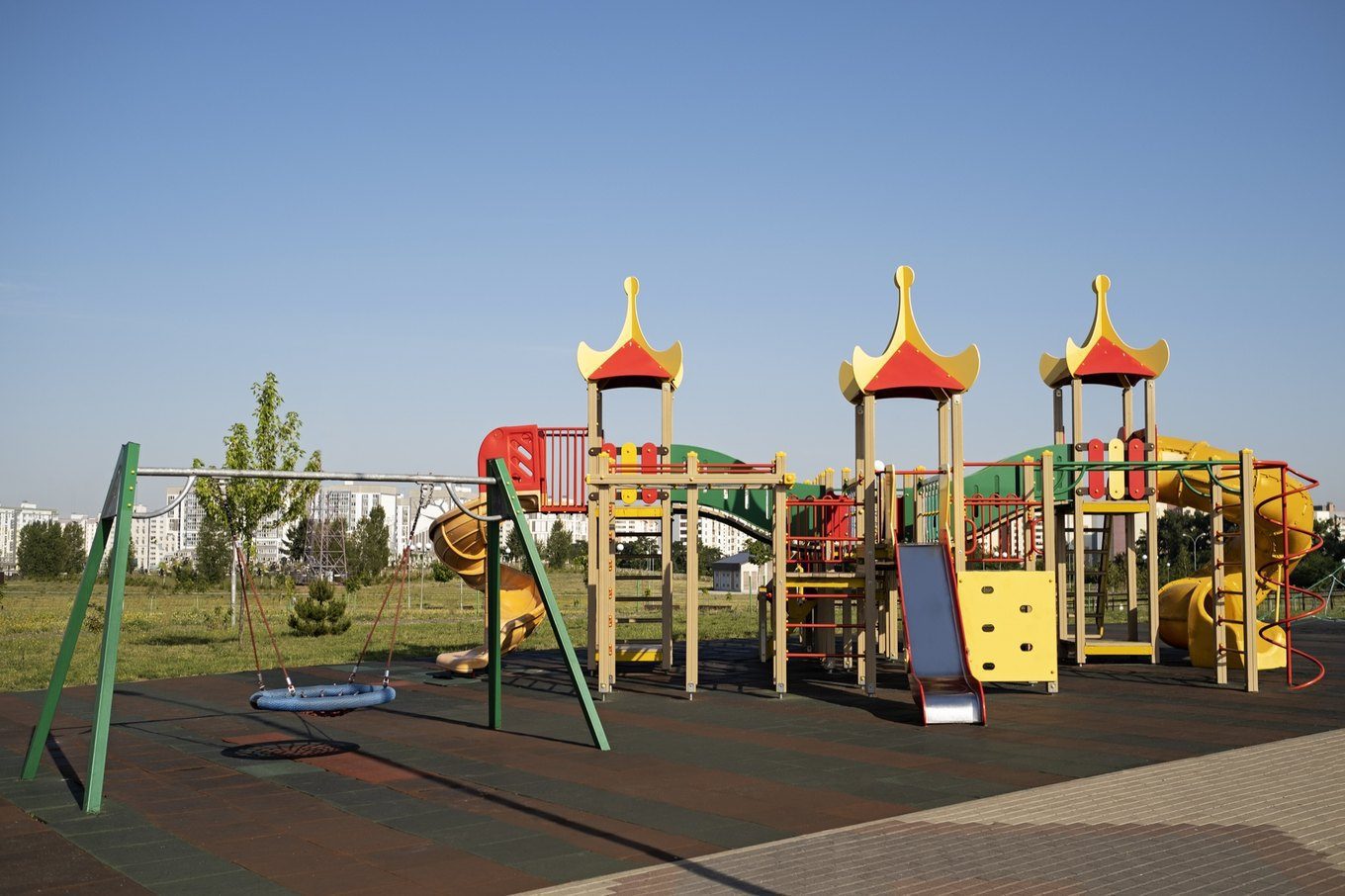
 Select this color →
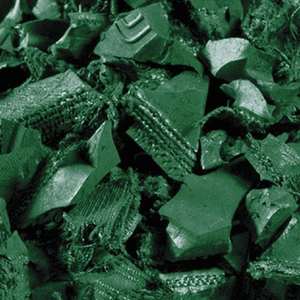
Green $709/pallet
Green keeps a play area feeling natural, blending into its surroundings. It's also a landscaper's trick for deep shade under trees, where grass won't grow — no water or sun needed.
About green rubber mulch →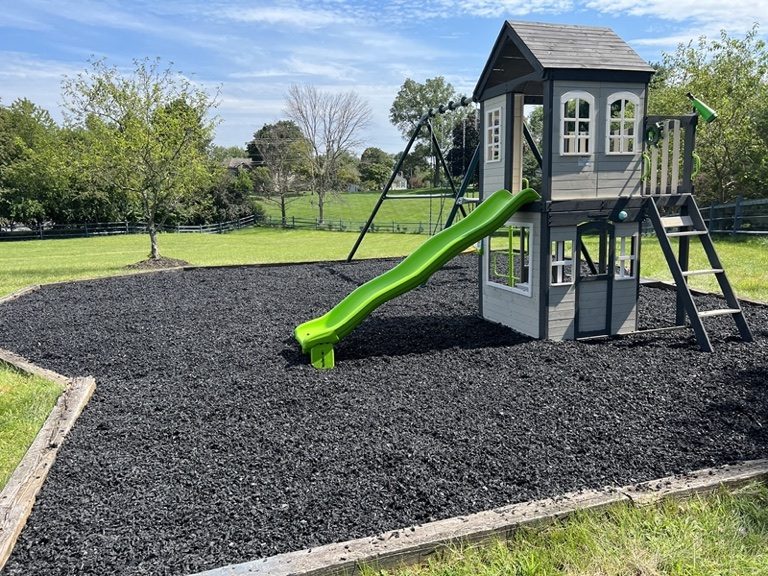
 Select this color →
Unpainted $559/pallet
Unpainted mulch keeps the natural, uncoated look of the recycled rubber, so there’s no color coating to renew. At $559 a pallet it’s our lowest price — a solid base under a backyard playset or along a garden path.
About unpainted rubber mulch →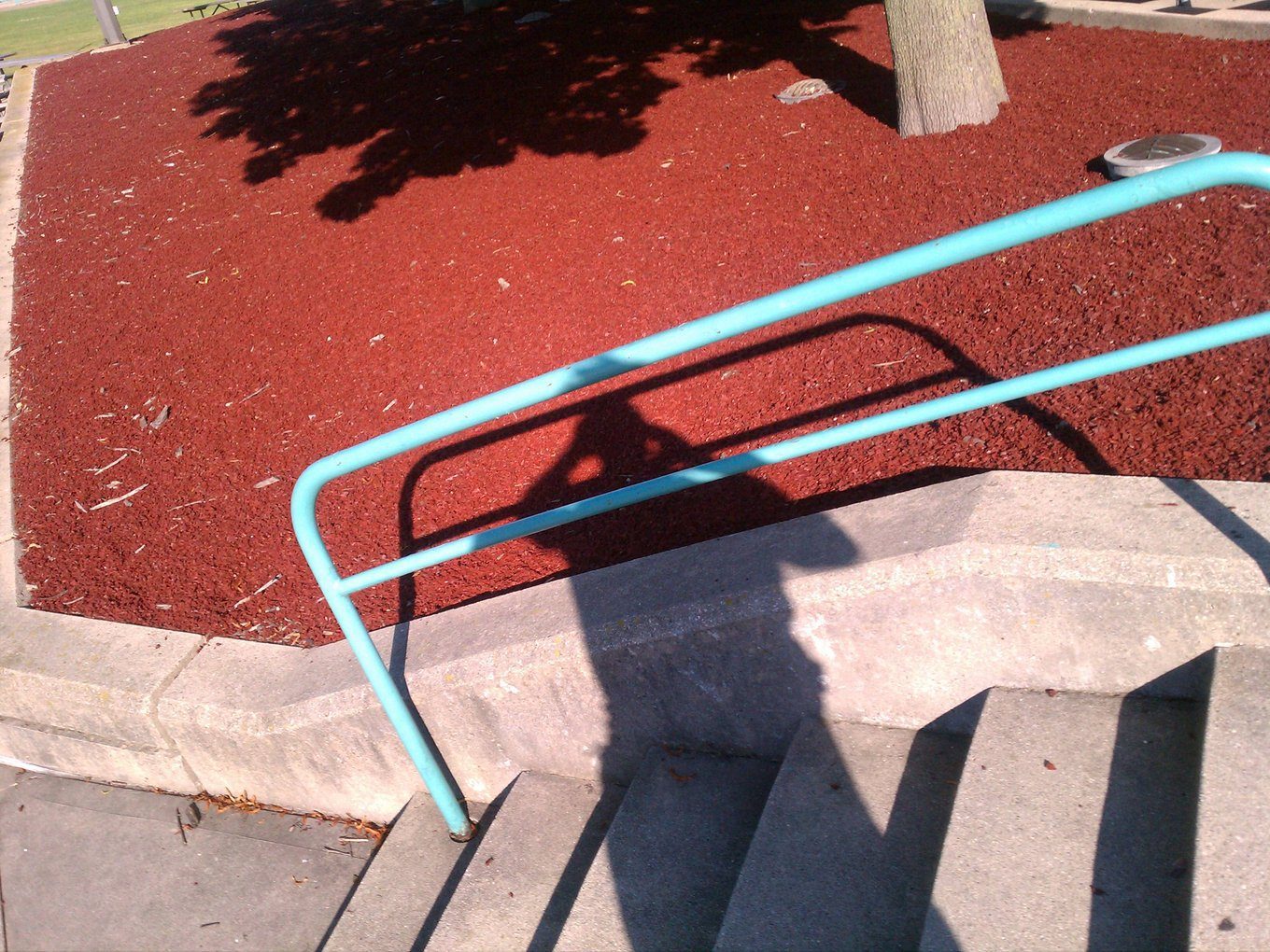
Fast freight to every corner of Colorado.
We deliver rubber mulch to the whole state along Colorado's main freight corridors. I-25 runs up the Front Range through Denver, Colorado Springs, and Pueblo. I-70 crosses the state, and I-76 heads toward the northeast.
That reaches Denver, Colorado Springs, Aurora, Fort Collins, Lakewood, Thornton, Arvada, Westminster, Pueblo, Boulder, and every town between. Each pallet holds 75 cubic feet, with freight in the price. Your order arrives curbside, typically within 5–10 business days.
Not sure how much you need? Our mulch calculator turns your square footage and depth into an exact pallet count. You can buy up to nine pallets online; for six or more, send us the details and we'll quote your freight.
Good questions, clear answers.
How much does rubber mulch cost delivered in Colorado?
A single pallet delivered in Colorado runs for unpainted rubber mulch up to $739 for the colors, with freight already included in the price. Each pallet holds 75 cubic feet — enough for a good-sized play area or landscape bed. You can buy up to 9 pallets online at your exact Colorado delivered price; for 6 or more, ask us for a freight quote.
Does rubber mulch hold up in Colorado's climate?
Yes — better than wood or bark. The NOAA NCEI Colorado State Climate Summary describes a semi-arid climate. Temperatures swing widely, and high elevation drives strong sun and wind.
Rubber does not photodegrade or rot. It is heavy enough to resist Colorado wind, and it needs no annual top-ups.
Colorado State University Extension notes that organic mulches decompose over time (Fact Sheet 7.214). We back rubber's color with a 12-year guarantee.
One honest note: an extreme downpour or gust can still move any loose mulch, so an edged bed keeps it in place.
Is rubber mulch allowed under playground equipment at a Colorado daycare?
Yes. Colorado's rules for child care centers, 8 CCR 1402-1-2.524(A)(4), require at least six inches of resilient surface under climbing equipment taller than eighteen inches. That depth must run throughout the use zone.
The state's approved loose-fill list names shredded rubber alongside wood chips, engineered wood fiber, and pea gravel. Our play nuggets also carry IPEMA certification to ASTM F1292.
Regulators enforce depth and use-zone rules site by site, so confirm the specifics with your licensing consultant.
What makes rubber mulch better than wood mulch here?
Wood and bark mulch work against you in Colorado three ways. High-altitude UV and dry heat fade and dry it out. Chronic wind scatters the light chips.
Wood also decomposes, so you must replace it every year or two (Colorado State University Extension, Fact Sheet 7.214). Damp wood against a foundation can also draw termites.
Rubber does not fade, blow away, or rot. It gives termites no food source. So it keeps its color and its six-inch depth for years, not months.
Does rubber mulch work with Colorado native plants?
It works well. Because rubber never decomposes, it holds a crisp, low-maintenance border around water-wise natives. It does that without robbing the soil.
Colorado State University Extension recommends drought-tolerant natives for the state. Its picks include Apache plume (Fallugia paradoxa), Gambel oak (Quercus gambelii), Piñon pine (Pinus edulis), and Rocky Mountain penstemon (Penstemon strictus). All make good matches for a xeriscape framed in unpainted or colored rubber.
Do you deliver rubber mulch across all of Colorado?
Yes — we deliver statewide, and to the 48 contiguous states. In Colorado we ship along the main freight corridors: I-25 up the Front Range, I-70 across the state, and I-76 to the northeast.
That reaches Denver, Colorado Springs, Aurora, Fort Collins, Lakewood, Thornton, Arvada, Westminster, Pueblo, Boulder, and everywhere between. Orders arrive curbside, typically within 5–10 business days, with freight included.
Spread it once, enjoy it for years.